
What osteopathic treatment actually is
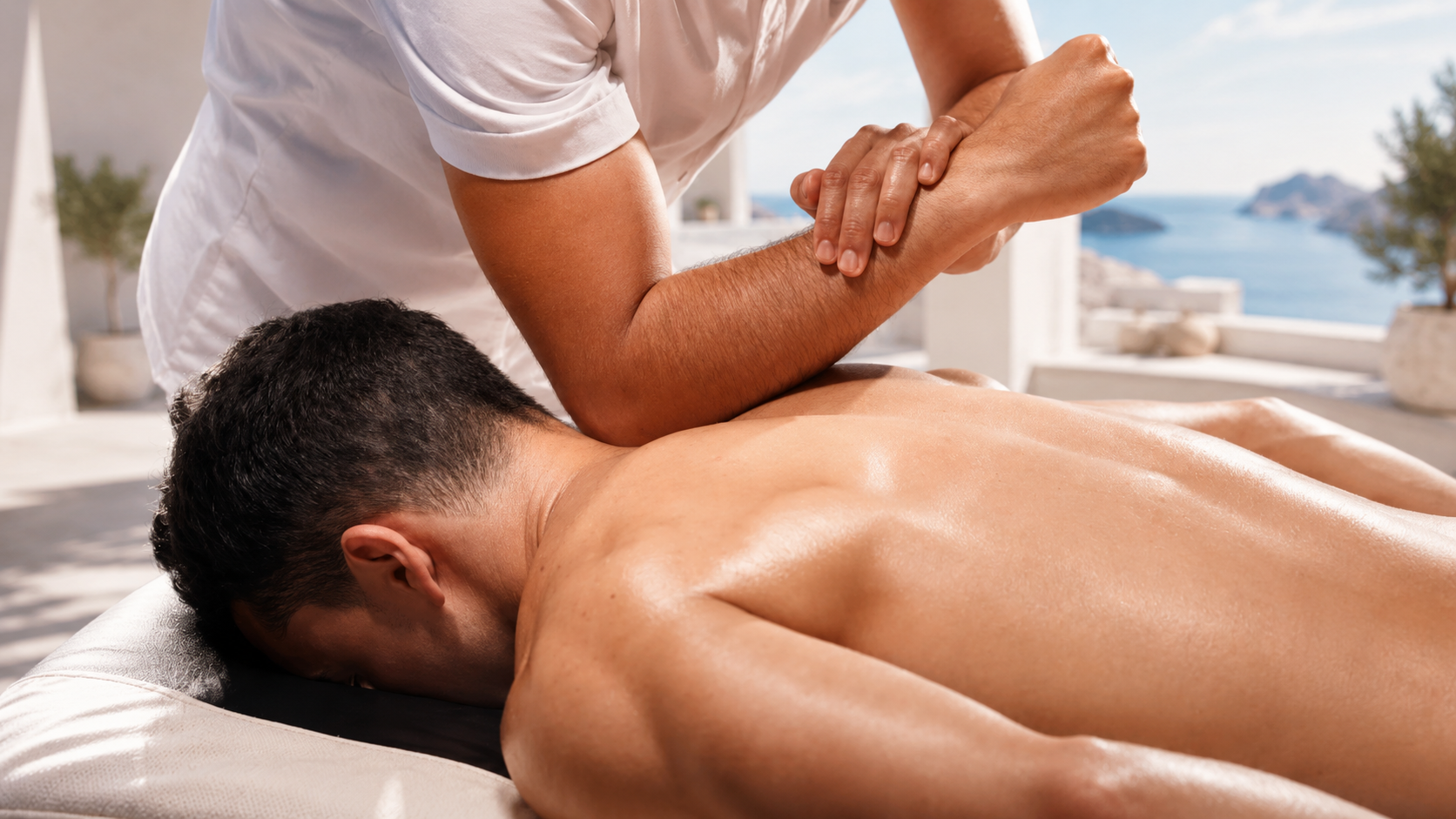
Osteopathy is a manual approach that treats the body as a single mechanical system rather than a collection of separate parts. A session begins with assessment: a history of the problem, observation of how you stand and move, and hands-on testing of joint range, muscle tone and tissue quality. Only then does treatment begin.
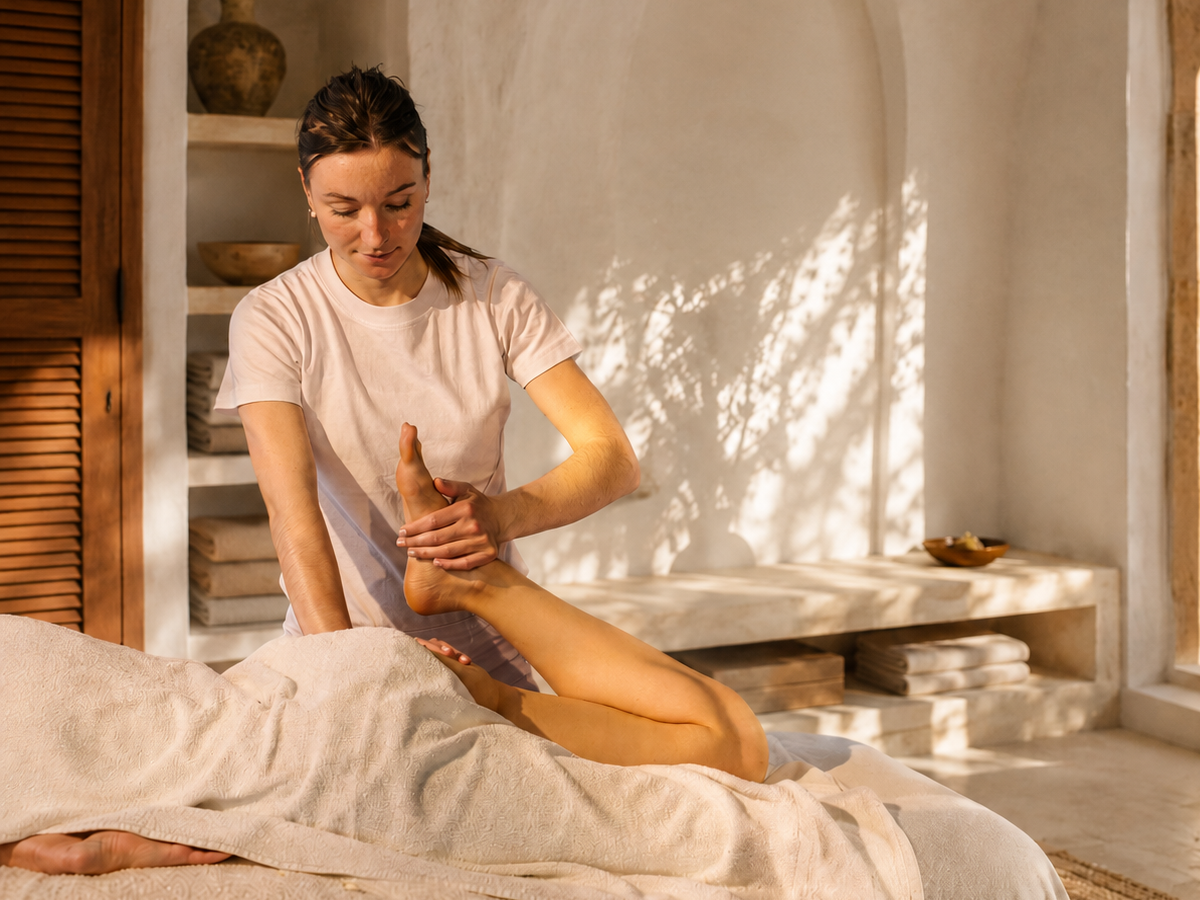
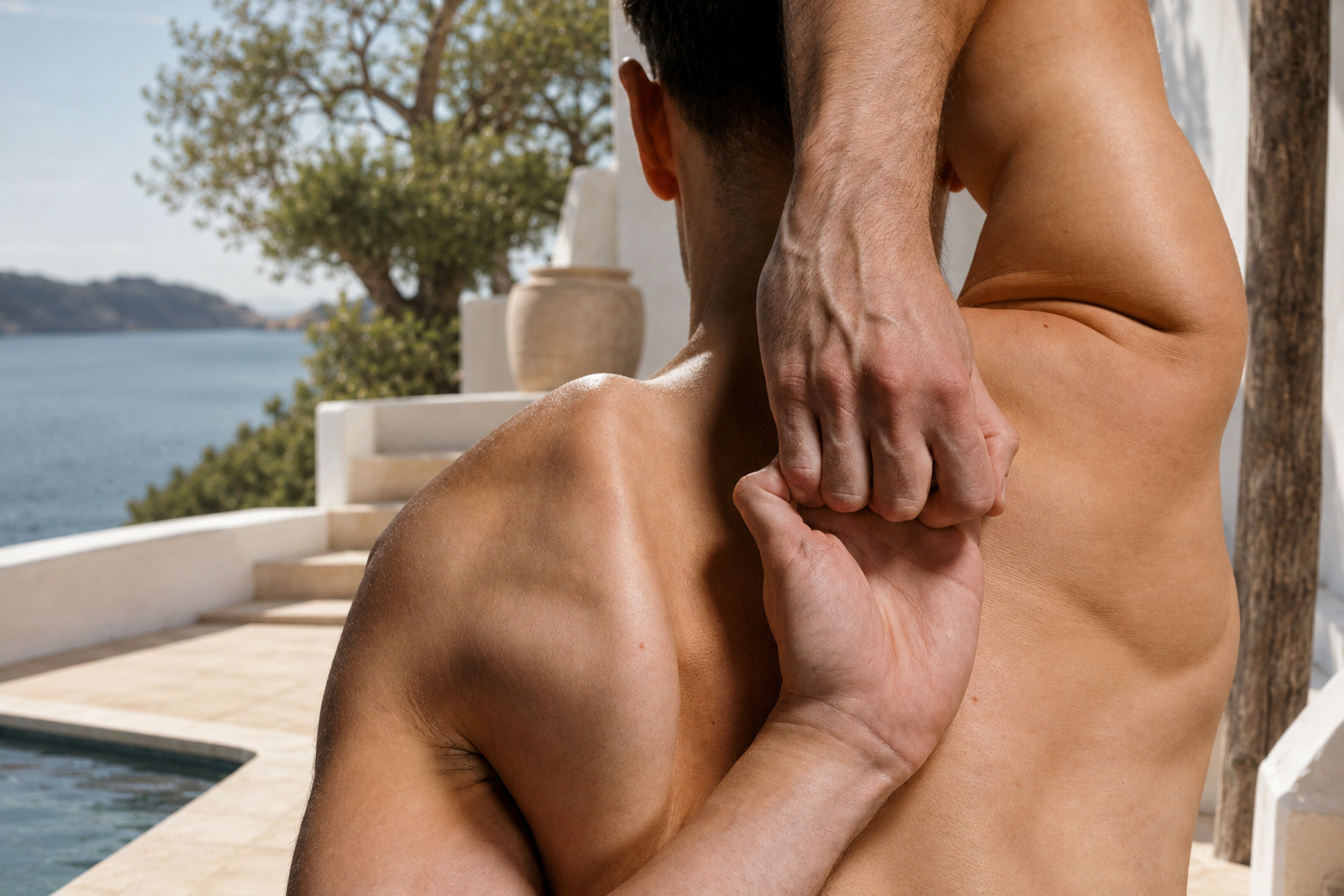
The techniques vary with what the assessment finds. Soft-tissue work and stretching release muscular restriction, articulation moves joints gently through their range, muscle energy techniques use your own contraction against resistance, and manipulation may produce the audible release people associate with the profession. Not every session involves manipulation, and it is never applied without explanation and consent.
The defining feature is that the painful area is often not the treated area. A stubborn neck may be driven by the mid-back and ribcage; a sore knee by the hip above it. Expect to be examined more widely than where it hurts.
A short history of the practice
Osteopathy was founded by Andrew Taylor Still, an American physician who lost three children to spinal meningitis in 1864 and turned away from the drug therapy of his era. In 1874 he set out an approach based on the body's structure, its circulation and its capacity for self-regulation, and in 1892 he opened the American School of Osteopathy in Kirksville, Missouri.
The profession then split geographically. In the United States, osteopathic training merged with conventional medicine, and holders of the DO qualification are fully licensed physicians with the same rights as MDs. Elsewhere, osteopathy developed as a distinct manual therapy profession.
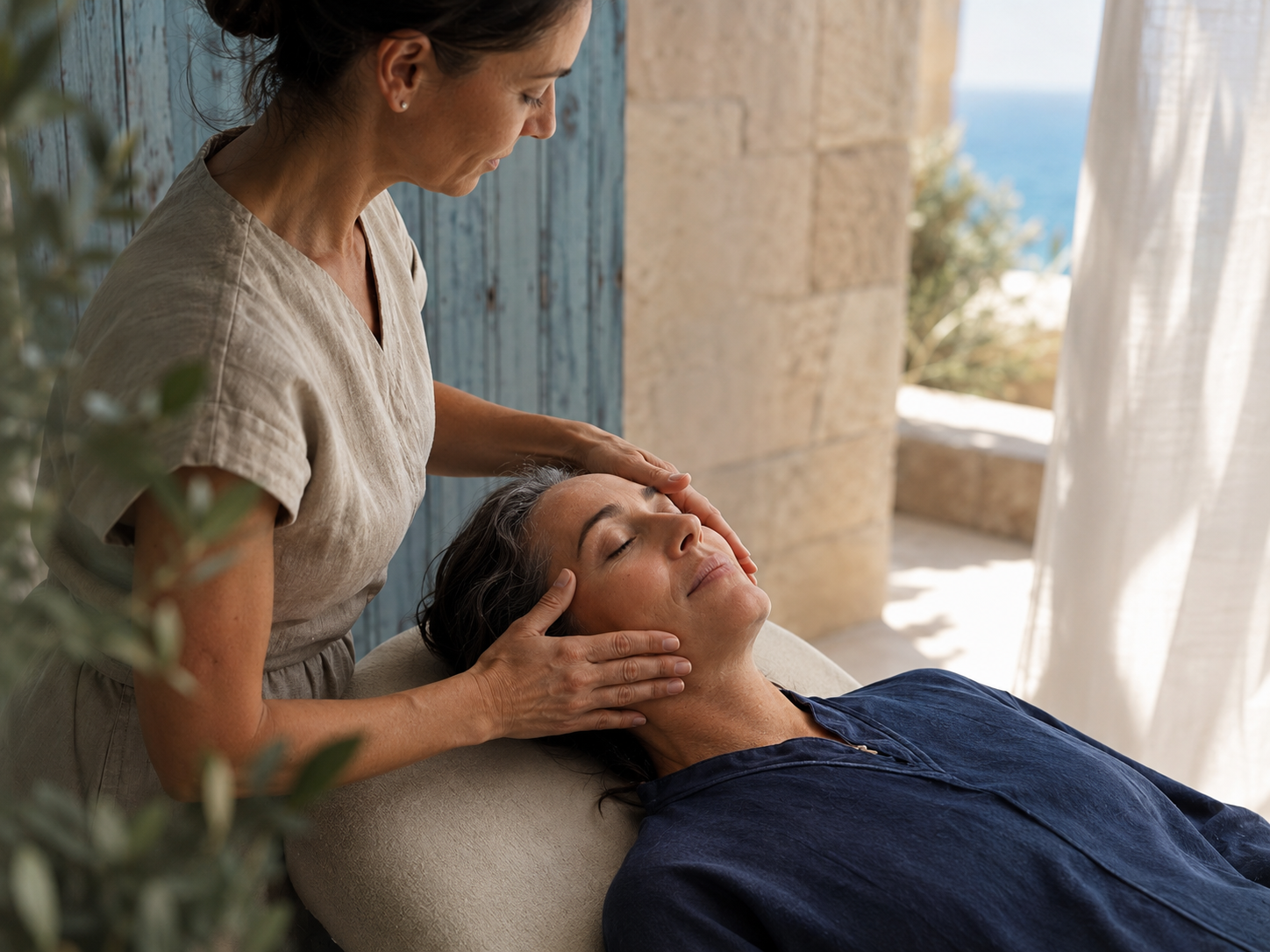
John Martin Littlejohn, one of Still's students, brought it to Britain and founded the British School of Osteopathy in 1917. Statutory regulation followed with the Osteopaths Act of 1993, which made the title protected in the United Kingdom. William Garner Sutherland's cranial work, developed from the 1930s, became an influential and much-debated branch of its own.
Where it is most widely practised
The United States has by far the largest number of practitioners, though they work as physicians rather than manual therapists. For hands-on osteopathy the strongest countries are the United Kingdom, France, Australia, New Zealand, Belgium, Italy, Switzerland and Germany. France has one of the highest densities of osteopaths per head in the world.
Spain occupies a more ambiguous position, as osteopathy is not a separately regulated profession here and is generally practised by physiotherapists with postgraduate osteopathic training. In the Balearics that means standards vary widely, which is precisely why we verify qualifications, registration and insurance for every practitioner before they take a booking.
Who this work is for
Back and neck pain account for most bookings: the flight, the unfamiliar villa mattress, a week of driving unfamiliar roads, or a long-standing problem that flares up on holiday. Shoulder restriction, hip and pelvic pain, sciatic-type symptoms referring down the leg, rib and mid-back tightness, and recurrent tension headaches are all common.
It suits people whose problem is mechanical and recurring rather than diffuse. If the same area keeps returning, if pain is worse with certain positions or movements, or if a massage helps for a day and then it comes back, an assessment-led approach is usually more productive than more massage.
Athletes use it between competitive blocks, desk-based professionals for postural patterns, and guests who have simply woken up unable to turn their head book it as the most urgent appointment of their trip.
Who should speak to us first
Seek medical assessment first, not osteopathy, if you have any of the following: numbness or weakness in the limbs, loss of bladder or bowel control, saddle-area numbness, unexplained weight loss with back pain, severe pain after significant trauma, fever with spinal pain, or a suspected fracture.
Also tell us about osteoporosis, blood-thinning medication, inflammatory arthritis, recent surgery, cancer history, and pregnancy, all of which change technique selection rather than prevent treatment. Where manual work is not the right route we will say so and recommend you see a physician. For general muscular tension without a mechanical cause, Deep Tissue Massage is often the better booking.
Osteopathy in Ibiza with The Luxurist
Sixty minutes, from €175, at your villa, hotel or yacht anywhere in Ibiza or Formentera. Your practitioner brings a treatment table and takes a full history before any hands-on work, and you will leave with self-management advice and exercises rather than only a treatment. Every practitioner is qualified, registered, insured and vetted by us in person.
To maintain the result, see Yoga Therapy or mobility-focused Personal Training.