
WHAT SWEDISH MASSAGE ACTUALLY IS
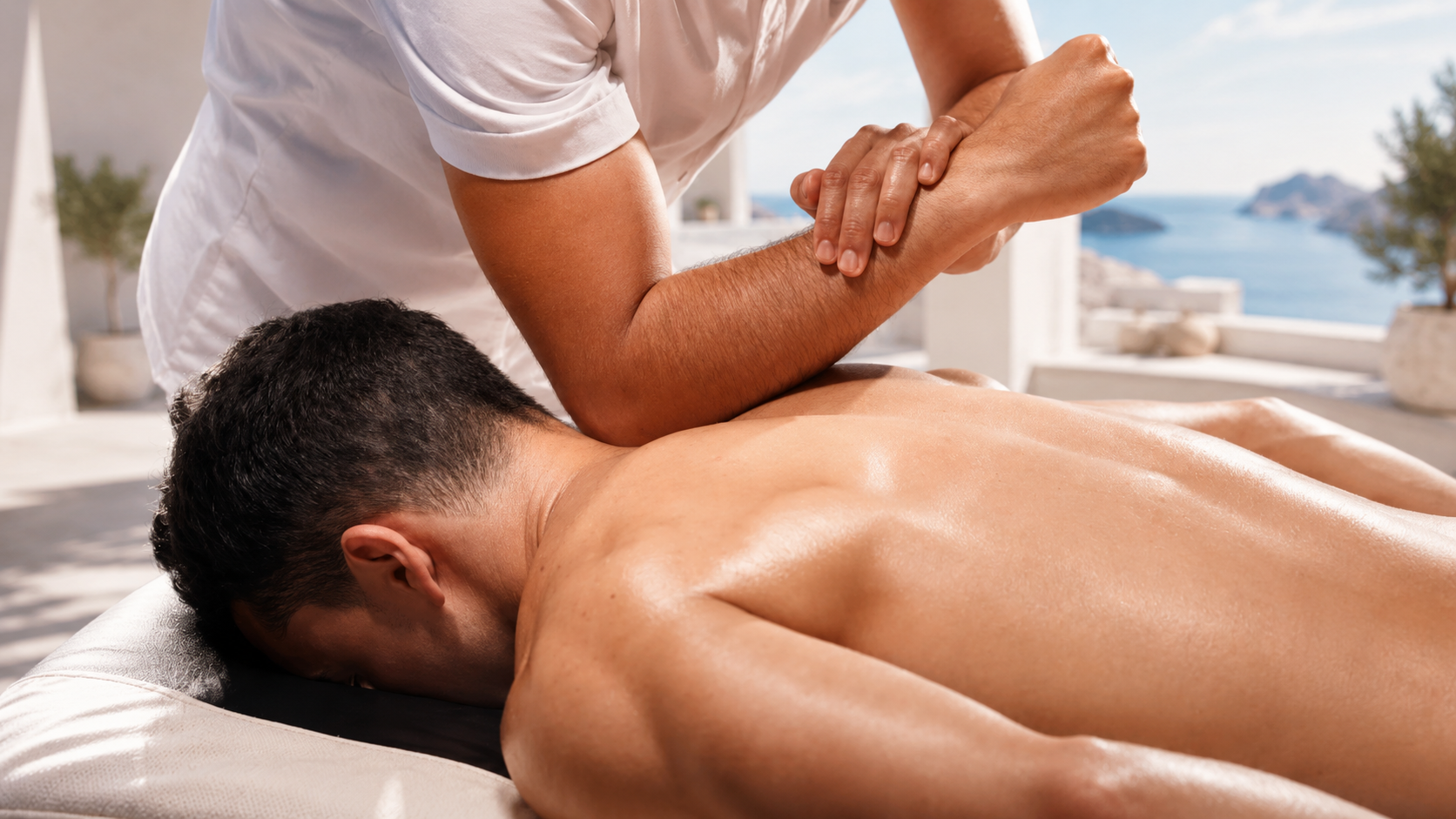
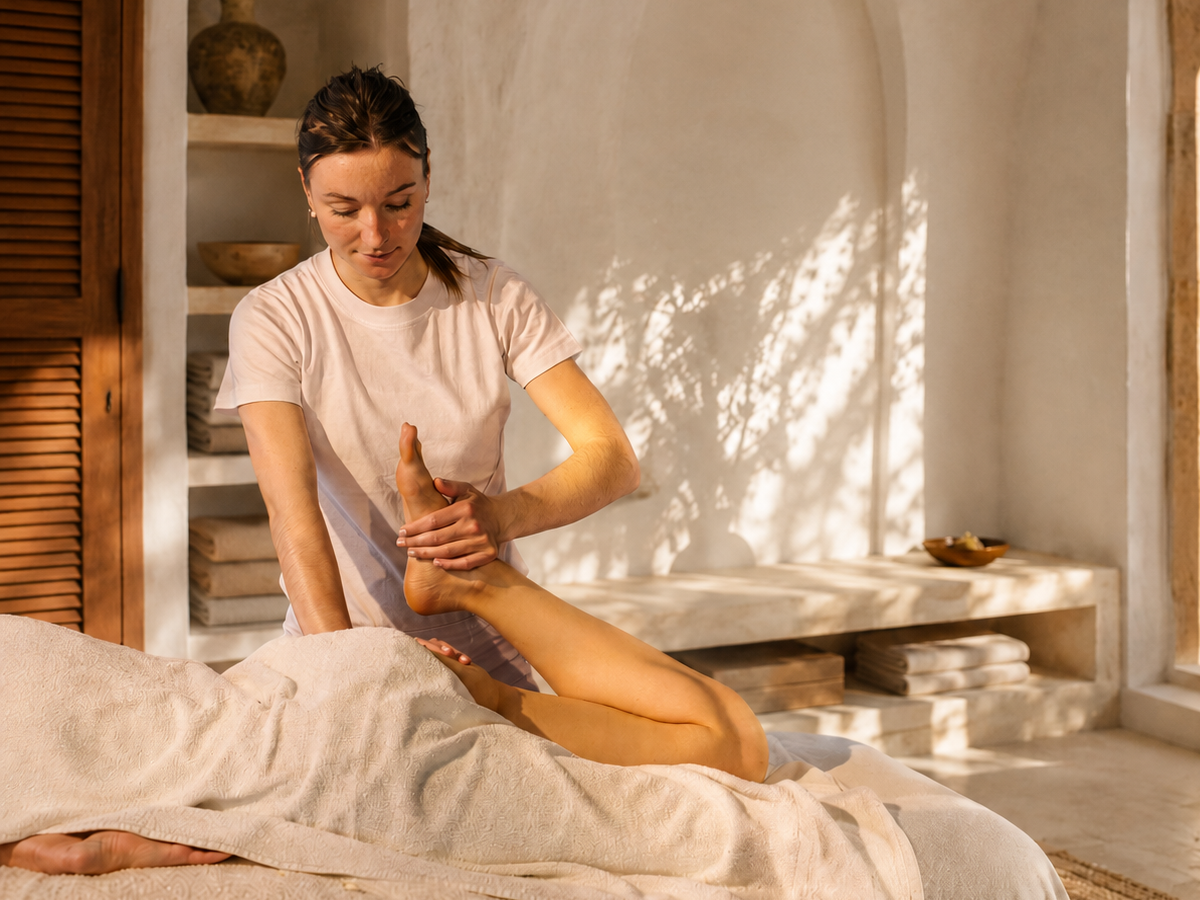
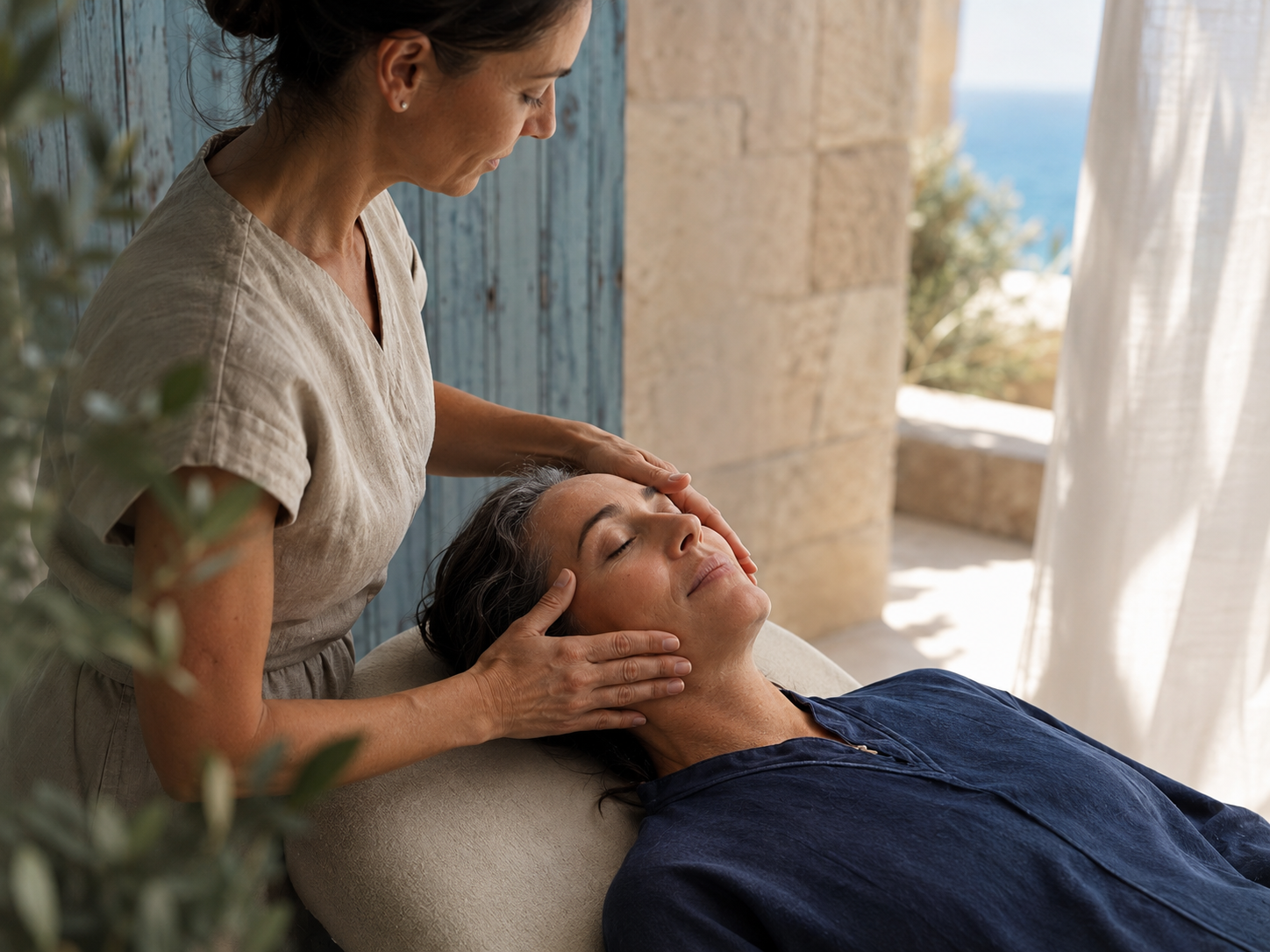
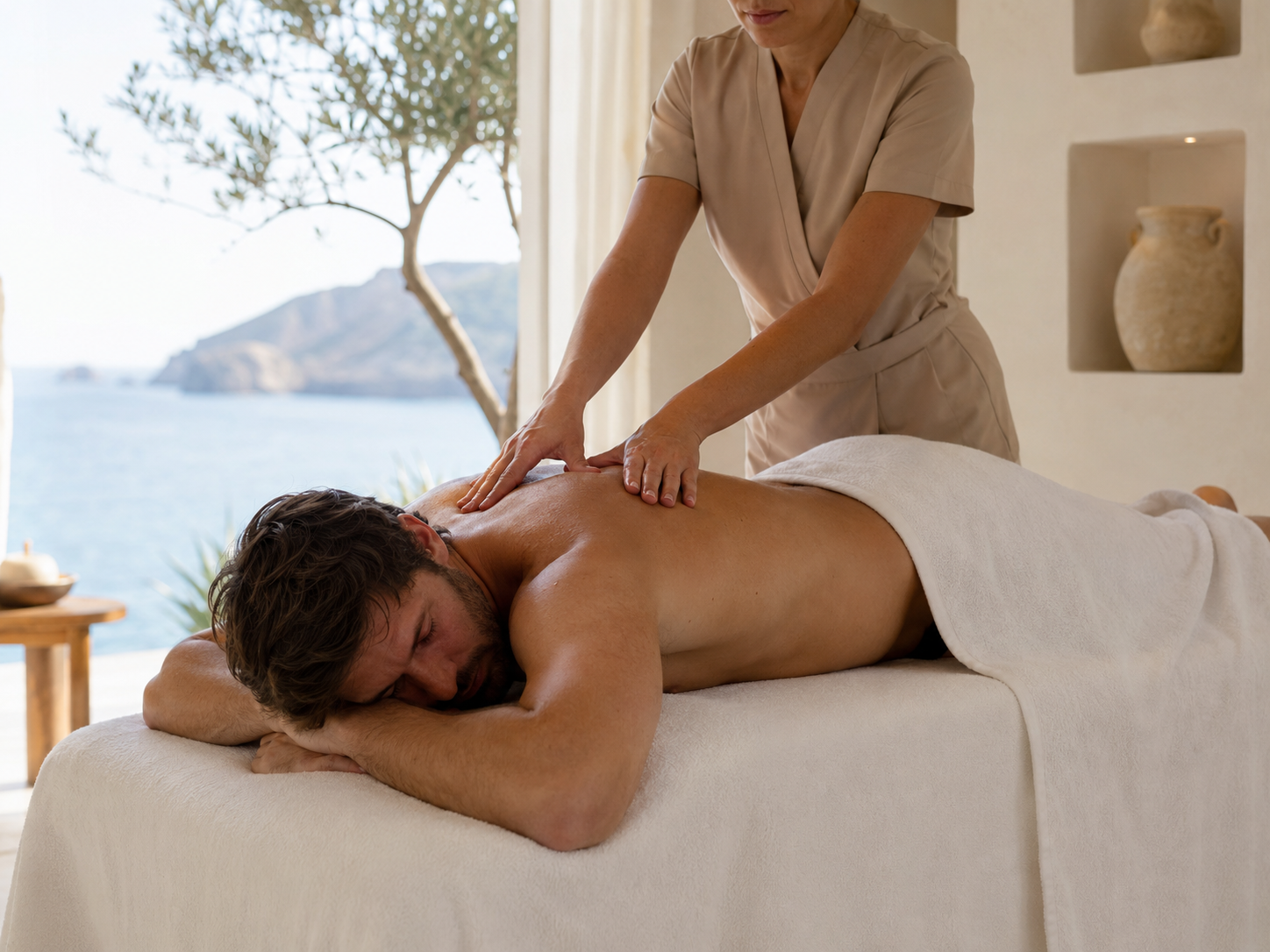
Swedish massage is the classical European technique that most other styles are built on. It uses five recognised strokes — long gliding effleurage, kneading petrissage, friction across the fibres, percussive tapotement and vibration — applied with oil in a continuous, rhythmic sequence over the whole body. Pressure is moderate and adjustable, and the work follows the return flow of blood towards the heart.
It is the most complete hour in massage. Rather than concentrating on one problem area, a Swedish session covers back, legs, arms, neck and shoulders in an unbroken flow, which is why it settles the nervous system as effectively as it loosens muscle. If you want to feel comprehensively better rather than have one specific thing fixed, this is the treatment to book.
A short history of the technique
The lineage begins with Per Henrik Ling, a Swedish fencing master and gymnast who founded the Royal Gymnastic Central Institute in Stockholm in 1813 and built a system combining movement, manual treatment and physiology. Ling's work gave manual therapy institutional credibility in Europe for the first time.
The technique as practised today owes more to the Dutch physician Johan Georg Mezger, who in the later nineteenth century organised the strokes into the French terminology still used in training rooms worldwide. The name is something of a historical accident: what English speakers call Swedish massage is known across much of continental Europe simply as classic massage.
It reached the United States in the 1850s through the brothers Charles and George Taylor, spread through sanatoriums and physical culture institutes, and by the twentieth century had become the default treatment on hotel and spa menus from Bangkok to Beverly Hills.
Where it is most widely practised
Swedish massage is genuinely global, and it is the baseline qualification in almost every training system. It remains embedded in medical and insurance-funded care in Germany, Austria and Switzerland, is the standard spa treatment across the United States, the United Kingdom and Scandinavia, and forms the foundation of hotel spa menus throughout Asia and the Middle East.
In Spain and the Balearics it is the most requested treatment in resort and villa settings, largely because it needs no diagnosis and suits almost everybody. On Ibiza it is the treatment guests book on the first evening of a stay, and the one families and mixed groups choose when they want the same thing for everyone.
Who this work is for
It suits first-timers above all. If you have never had a professional massage, or have only had one on holiday years ago, Swedish is the sensible entry point: nothing about it is intense or unfamiliar, and there is no expectation that you tolerate discomfort.
It also suits people who are tired rather than injured. Long-haul travellers, guests running on short summer sleep, parents, and anyone whose body is simply depleted rather than carrying a specific complaint tend to get more from an hour of flowing full-body work than from targeted pressure. It is a common choice for older guests, for those with sensitive skin or low pain tolerance, and for anyone who finds deep work unpleasant.
Many regular clients alternate: Swedish when they want to sleep well and reset, something firmer when a particular area has flared up.
Who should speak to us first
Tell us in advance about pregnancy, recent surgery or fractures, deep vein thrombosis or clotting disorders, blood-thinning medication, active cancer treatment, uncontrolled high blood pressure, fever or infection, skin conditions and open wounds, or severe varicose veins.
Almost none of these prevent treatment; they shape it. Where full-body oil work is not appropriate we will suggest an alternative such as Pre-Natal Massage, Lymphatic Drainage or Reflexology Massage.
Swedish Massage in Ibiza with The Luxurist
Sixty minutes, from €175, at your villa, hotel or yacht anywhere in Ibiza or Formentera. Your therapist arrives with a professional table, fresh linens, oils and music, and confirms pressure and any areas to avoid before beginning. Every practitioner is qualified, insured and vetted by us in person.
If you would prefer something slower and more sedative, see Relaxation Massage; if you want real pressure on a specific problem, see Deep Tissue Massage.